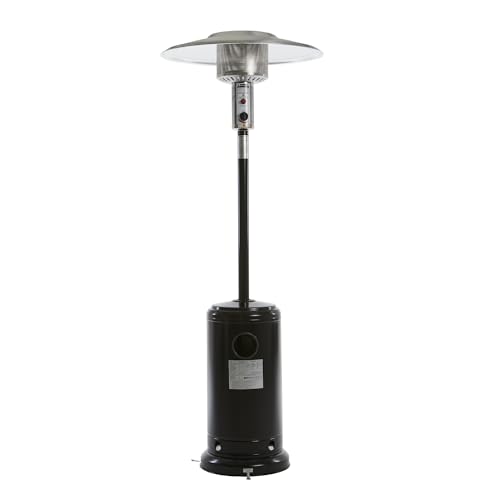
7 Simple Tips For Refreshing Your Buy Outdoor Patio Heaters
Guide to Buying Outdoor Patio Heaters: Everything You Need to Know
As the cool evenings of fall and winter method, many homeowners and dining establishment owners are on the lookout for methods to extend their outdoor pleasure. Outdoor patio heaters supply a comfy and inviting atmosphere, making them essential for alfresco dining, barbecues, or merely delighting in a tranquil night exterior. This guide aims to provide an extensive overview of outdoor patio heaters, consisting of the types offered, key features to think about, suggestions for purchasing, and responses to often asked questions.
Types of Outdoor Patio Heaters
Patio heaters are created in numerous styles and technologies to meet varied requirements. Here's an introduction of the most typical types:
Heater Type
Description
Pros
Cons
Propane Heaters
Make use of liquid propane gas for heating, typically portable with wheels for easy mobility.
Portable, high heat output.
Limited run time; requires propane refills.
Natural Gas Heaters
Connect straight to a gas line, providing consistent heat without the requirement for refills.
Practical and cost-efficient in the long term.
Permanently installed; less flexible.
Electric Heaters
Utilize electrical power to produce heat, frequently in a streamlined, modern style.
Easy to utilize; no emissions or fumes.
Greater energy expenses; restricted heat range.
Infrared Heaters
Use infrared technology to straight heat items and individuals rather of the surrounding air.
Efficient and instant heat.
Limited variety; requirements electricity.
Tabletop Heaters
Smaller sized, portable heaters designed to rest on tables for intimate seating arrangements.
Space-saving; stylish options offered.
Limited heating capability compared to bigger models.
Key Features to Consider
When choosing an outdoor patio heater, it's important to examine numerous features to guarantee you make an informed decision. Here are some essential elements to think about:
Heat Output: Measured in BTUs (British Thermal Units), a higher BTU ranking suggests more heat output. For a comfortable outdoor experience, look for heaters providing in between 30,000 to 50,000 BTUs.
Size and Capacity: The size of the heater ought to be proportionate to the space offered for heating. Consider the area size and the number of people you expect to captivate.
Material: Patio heaters are generally made from stainless steel, aluminum, or copper. Stainless steel is robust and resistant to the components, which is perfect for outdoor usage.
Style: Choose a design that complements your outdoor decor. There are different styles, including freestanding, wall-mounted, and tabletop options. Consider what fits finest in your space.
Security Features: Look for designs with safety functions, such as an automated shut-off switch, anti-tilt defense, and heat-resistant materials. This makes sure the security of your household and guests.
Mobility: If you plan to move your heater often, select a portable design with wheels or a light-weight design.
Fuel Type: Different fuel types offer special benefits. While propane heaters are portable, gas heaters provide a more economical long-lasting heating option if a connection is readily available.
Purchasing Tips
To maximize your financial investment in an outdoor patio heater, think about these suggestions while shopping:
Set a Budget: Determine your spending plan before browsing. Rates differ considerably depending upon size and features.
Check out Reviews: Look for client evaluates online to assess performance and dependability.
Shop Seasonally: Prices might drop during off-seasons, making it the perfect time to score a deal.
Buy Only When Necessary: Assess your heating requires occasionally. If you hardly ever use the outdoor space throughout colder months, focus on quality over amount.
Consider Warranty and Support: Check for service warranty policies and consumer support. A good guarantee can offer peace of mind.
Frequently Asked Questions (FAQs)
1. How long does a propane tank last in an outdoor heater?
The runtime of a propane tank varies depending upon the BTU output of the heater. Usually, a basic 20 pound propane tank can last anywhere from 8 to 12 hours, depending on the heat setting.
2. Can I use an outdoor patio heater inside your home?
No, outdoor patio heaters are not developed for indoor use due to the danger of carbon monoxide poisoning and combustion hazards. Always utilize heaters in well-ventilated locations.
3. Do outdoor heaters work in windy conditions?
Some outdoor heaters might struggle to preserve heat in windy conditions, particularly those created to radiate heat into the surrounding air instead of directly heating things. Nevertheless, visit the next post -resistant models do exist.
4. What upkeep does an outdoor patio heater require?
Routine upkeep consists of cleaning the heater after use, checking for gas leakages (if suitable), guaranteeing all connections are safe and secure, and storing the heater throughout extreme weather condition conditions.
5. Is it safe to leave an outdoor heater ignored?
No, it is not a good idea to leave outdoor heaters unattended, particularly those using open flame. Constantly switch off heaters when not in usage, and make sure kids and family pets are kept at a safe range.
Outdoor patio heaters are a valuable addition to any outdoor space, enabling property owners and services to delight in the fresh air even when temperatures drop. Comprehending the various types of heaters, key features, and practical buying pointers will empower consumers to pick the best system that meets their specific requirements. By thinking about safety, maintenance, and the atmosphere you want to produce, you can improve your outdoor living experience for several years to come.