How To Create An Awesome Instagram Video About Heating Appliances
Understanding Heating Appliances: Types, Benefits, and Considerations
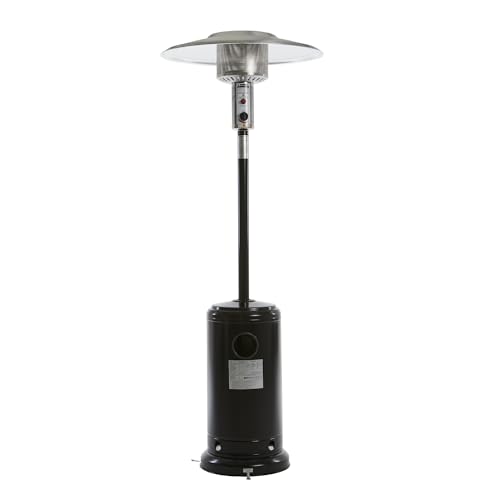
As the temperature begins to drop, numerous families look for methods to keep their homes warm and comfortable. Heating Garden Heaters play a crucial role in providing warmth throughout the chilly months. This article aims to offer an extensive overview of various heating appliances, their advantages, and what considerations to bear in mind when selecting the ideal one for your home.
Types of Heating Appliances
Heating appliances can be found in numerous kinds, each created to fulfill specific heating requirements. Below is a detailed list of typical heating appliances:
1. Central Heating Systems
- Heating systems: Utilize fuel such as gas, oil, or electrical power to heat air and disperse it throughout the home through ductwork.
- Boilers: Heat water to produce steam or hot water, which is then flowed through radiators or underfloor heating systems.
- Heat Pumps: Transfer heat from the outside air or ground to warm the home, efficient in moderate climates.
2. Space Heaters
- Electric Heaters: Portable units that work on electrical power, suitable for heating little areas.
- Gas Heaters: Use gas for heating, typically found in homes doing not have main heating.
- Infrared Heaters: Emit infrared radiation which directly warms people and items in a room rather than the air.
3. Wood and Pellet Stoves
- Wood Stoves: Burn logs or other solid fuel sources and can be used as standalone heating solutions.
- Pellet Stoves: Burn compressed wood pellets and are known for their efficiency and ecologically friendly nature.
4. Radiant Heat Systems
- Underfloor Heating: A kind of heating where heat is produced from the flooring, supplying an even, comfy temperature.
- Radiant Panels: Installed on walls or ceilings, radiating heat directly to the residents.
5. Fireplaces
- Traditional Fireplaces: Burn wood or coal and can offer atmospheric heat but are less efficient than modern heating systems.
- Gas Fireplaces: Provide the feel and look of a standard fireplace with the convenience of gas heating.
Introduction Table of Heating Appliances
Home appliance Type
Energy Source
Heating Method
Typical Use
Central Heating Systems
Gas, Oil, Electricity
Air or Water Distribution
Whole House
Space Heaters
Electrical energy, Gas
Direct Heating
Individual Rooms
Wood Stoves
Strong Fuel
Combustion Heating
Partial/Home Heating
Pellet Stoves
Biomass
Combustion Heating
Partial/Home Heating
Radiant Heating
Electrical Energy, Hot Water
Radiation/Convection
Private Rooms
Conventional Fireplaces
Wood or Gas
Combustion Heating
Atmosphere and Heat
Advantages of Heating Appliances
Heating appliances provide numerous advantages that contribute to home comfort, security, and energy performance. Some essential benefits consist of:
- Comfort: The primary function of heating appliances is to manage temperature level, offering a warm, comfortable environment.
- Energy Efficiency: Modern appliances often include energy-efficient features, helping house owners minimize energy expenses.
- Variety: With numerous options offered, homeowners can choose appliances that fit their needs, living space, and budget plan.
- Control: Many heating unit include programmable thermostats, enabling better temperature level control and schedules.
- Eco-Friendly Options: Some heating appliances, such as heat pumps and pellet stoves, provide environmentally friendly heating solutions.
Considerations for Selecting Heating Appliances
When selecting a heating appliance, there are numerous elements house owners need to assess:
- Size of Space: The type and size of the heating appliance need to match the area being warmed.
- Energy Source: The accessibility and cost of the energy source can impact decision-making; for instance, gas might be more accessible and affordable in some areas than electrical energy.
- Performance Ratings: Look for appliances with high performance ratings to decrease energy usage and minimize expenses.
- Setup Requirements: Some systems may need expert setup, so it's necessary to consider these expenses.
- Upkeep Needs: Different appliances included varying upkeep requirements, which can impact long-term expenses and convenience.
Often Asked Questions (FAQs)
1. What is the most energy-efficient heating home appliance?
- Heatpump are often considered to be one of the most energy-efficient heating appliances, especially in moderate environments.
2. How often should heating appliances be preserved?
- Regular upkeep, a minimum of when a year, is advised for heating appliances to guarantee they operate securely and efficiently.
3. Are space heaters safe to utilize overnight?
- Space heaters can be safe for over night usage if they are equipped with security features such as automatic shut-off and are placed on steady surface areas far from flammable products.
4. Is it possible to heat up an entire home with space heaters?
- While space heaters can supply additional heat, they are normally not developed to heat up an entire home successfully and efficiently on their own.
5. What are the advantages of underfloor heating?
- Underfloor heating provides consistent heat circulation, reduced energy usage, and eliminates cold spots— ensuring comfort in living areas.
As the winter season methods, choosing the ideal heating home appliance is important to make sure comfort and effectiveness in the home. With different heating options readily available, homeowners should consider the unique demands of their space while keeping energy efficiency and maintenance consider mind. By understanding the various types of heating appliances, their advantages, and the factors to consider essential when selecting one, homeowners can preserve a relaxing environment throughout the colder months.